
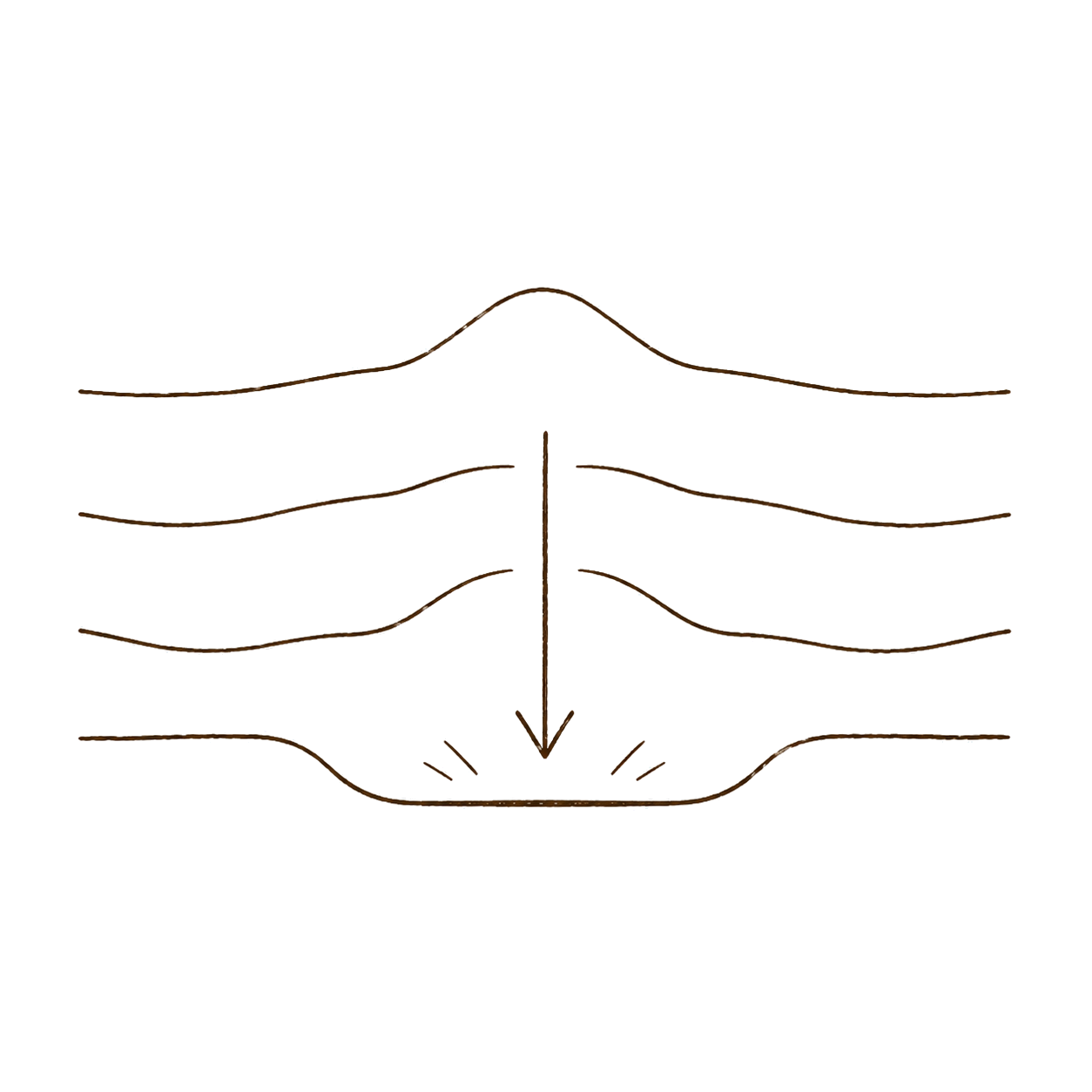
Deep pressure resolution
Address the source of intra-abdominal pressure, not only the surface bulge.
Not every groin bulge requires general anesthesia.
A biomechanical approach to rebuilding the abdominal wall. Minimally invasive, same-day discharge, no synthetic mesh, no large incisions.
Why patients travel from around the world
30,000+cases
hernia procedures by our team
cumulative through 2025
52+countries
international patients treated
including the United States, Australia, Germany, Japan, South Korea, and the UAE
3patents
multi-country patents
United States · Japan · Taiwan
Figures reflect our team's internal records and follow-up data. Individual outcomes vary based on hernia type, tissue quality, and overall health.
A different way of seeing hernia
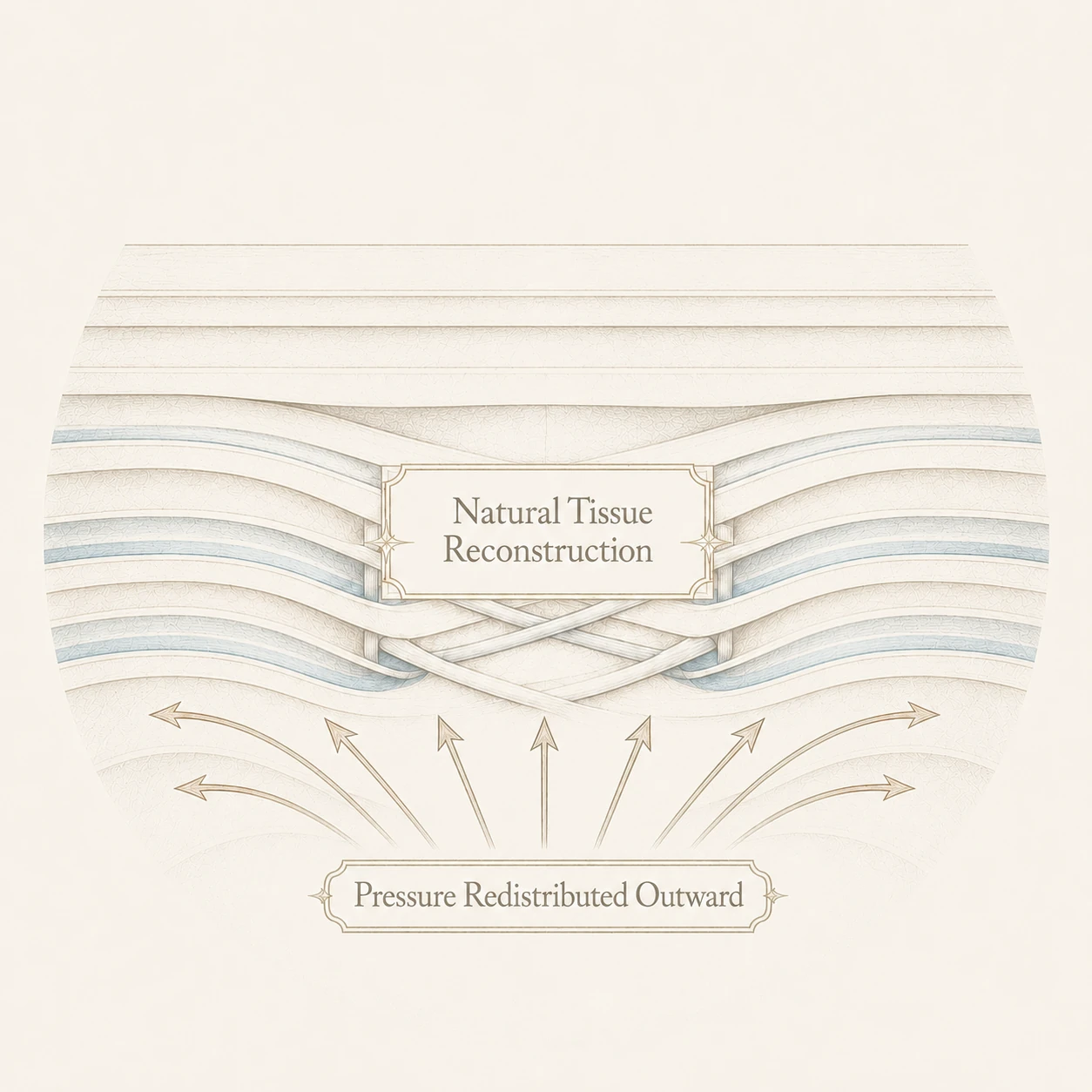
Many patients assume a hernia is simply "a hole in the abdomen" and that surgery is about closing it. Dr. Alpha Lin views the condition differently. A hernia is not just a surface defect; it is the visible result of long-standing biomechanical imbalance in the abdominal wall. Treating it well means attending to the bulge itself as well as the support, tension, and load distribution that the abdominal wall was originally designed to provide. Conventional mesh repair places foreign material over the defect. The Joshua approach prioritizes the patient's own tissue, realigned and sutured in overlapping layers to restore an anatomical, three-dimensional structure.
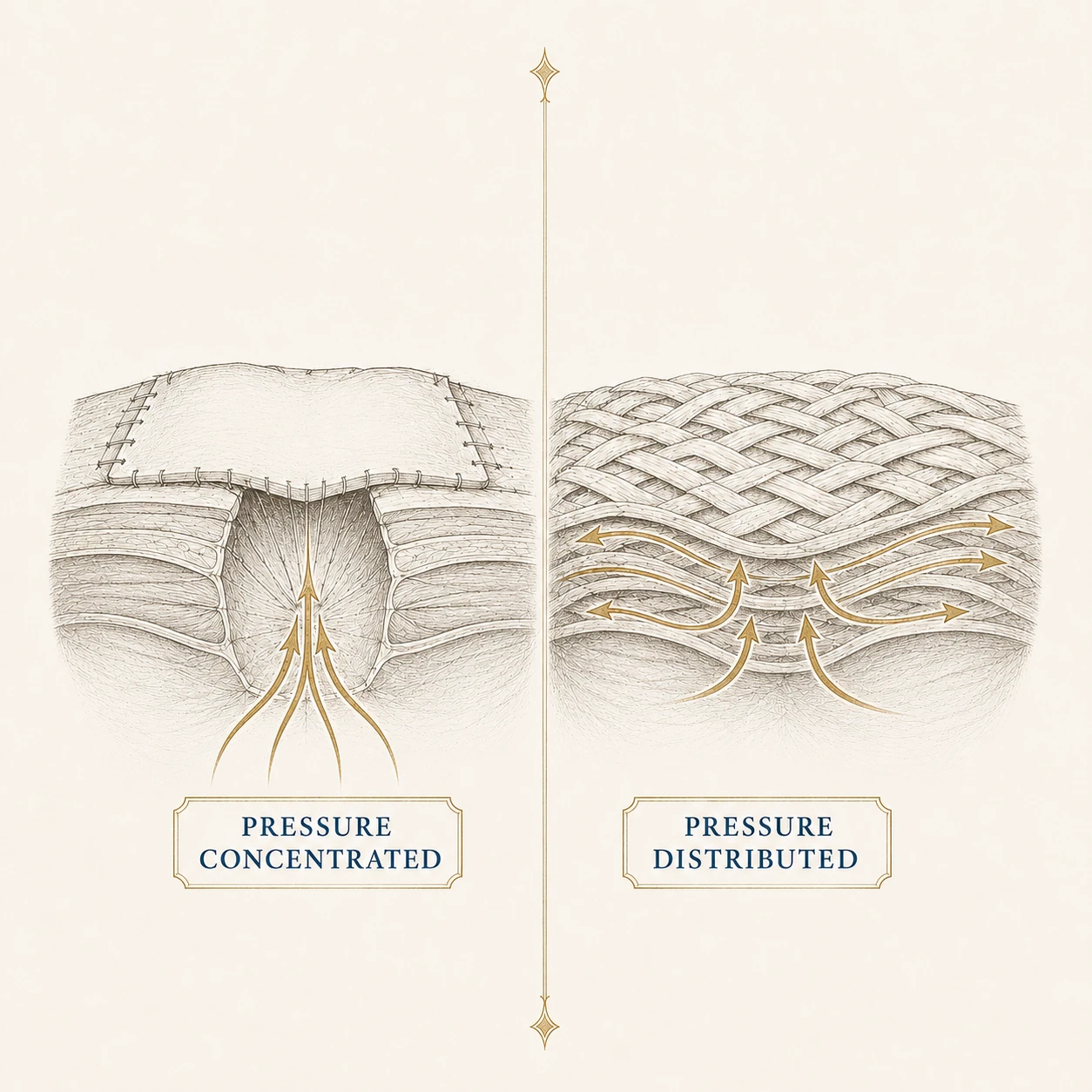
Address the source of intra-abdominal pressure, not only the surface bulge.

Multilayer overlapping sutures rebuild the wall's native load-bearing architecture.

Prioritizing the patient's own tissue reduces long-term concerns associated with permanent implants.
From evaluation to recovery
From online inquiry and clinical evaluation through minimally invasive surgery and follow-up, patients are guided clearly at every stage.
Complete a brief intake form so our team understands your symptoms and concerns.
A focused examination by a hernia specialist to identify the type and underlying mechanics.
Standard pre-operative workup and patient education to ensure surgical safety.
Micro-incision technique with natural-tissue reconstruction to restore the abdominal wall.
Most patients return home the day of surgery to recover with minimal disruption to daily life.
Scheduled follow-up to monitor recovery and support long-term outcomes.
A side-by-side overview
This comparison is intended for general orientation. The most appropriate technique, recovery course, and recurrence risk vary by individual and require physician evaluation.
Anesthesia
Traditional
Spinal or general anesthesia
Modern MIS
Local anesthesia with IV sedation
Post-operative pain
Traditional
Moderate to significant
Modern MIS
Low-grade; most patients report only mild discomfort
Incision
Traditional
5–10 cm, or multiple ports
Modern MIS
Single 2–3 cm micro-incision
Implant material
Traditional
Synthetic mesh overlay
Modern MIS
Natural-tissue reconstruction
Hospital stay
Traditional
Inpatient observation often required
Modern MIS
Same-day discharge for most patients
Mechanical structure
Traditional
Flat onlay; may limit local movement
Modern MIS
3D anatomical reconstruction; natural mobility
Recurrence rate
Traditional
Varies by technique and patient
Modern MIS
varies by individual; long-term follow-up provided
| Dimension | Traditional approach | Modern minimally invasive |
|---|---|---|
| Anesthesia | Spinal or general anesthesia | Local anesthesia with IV sedation |
| Post-operative pain | Moderate to significant | Low-grade; most patients report only mild discomfort |
| Incision | 5–10 cm, or multiple ports | Single 2–3 cm micro-incision |
| Implant material | Synthetic mesh overlay | Natural-tissue reconstruction |
| Hospital stay | Inpatient observation often required | Same-day discharge for most patients |
| Mechanical structure | Flat onlay; may limit local movement | 3D anatomical reconstruction; natural mobility |
| Recurrence rate | Varies by technique and patient | varies by individual; long-term follow-up provided |
Video guide
An overview of the center's approach to reconstructing the abdominal wall with the patient's own tissue, without mesh.
A look at the Taipei center and how a surgery day is arranged — evaluation, day surgery, and same-day discharge.
Stories from around the world
We have cared for many patients. Some traveled from Germany, others from Japan; some searched within Taiwan for years before finding a procedure they could accept with confidence. Their stories are more than testimonials. They tell anyone still weighing their options: you are not the first to feel uncertain, and you are not alone in wanting to understand the procedure thoroughly before deciding.
These are personal accounts of individual treatment experiences. Treatment outcomes vary by case and are not representative of all patients. Content shared with the patients' authorization.
More than a clinic
Joshua Hernia Surgery Center is not defined by a single procedure. Our work is to develop a comprehensive system of hernia care. That system encompasses minimally invasive surgery, natural-tissue reconstruction, advanced repair of complex hernias, international patient services, and translational research in hernia regenerative medicine. From routine inguinal hernia to recurrent disease, mesh-related complications, and complex abdominal wall reconstruction, our aim is to give patients a fuller set of evidence-informed options.

From repair toward regeneration
Hernia sac tissue removed during surgery has historically been treated as biological waste. From the perspective of regenerative medicine, however, it may hold meaningful research value. Our team is studying mesenchymal stem cells, exosomes, and tissue-repair potential within hernia sac specimens. This work does not imply any guaranteed therapeutic effect at the time of surgery. It reflects our long-term direction: extending hernia medicine from "structural repair" toward translational tissue research and future regenerative applications.
Still have questions?
First step — talk to us
If you notice a bulge in the groin, around the navel, or elsewhere in the abdomen — particularly one that becomes prominent when standing, coughing, or straining and recedes when lying down — it may be a hernia. You do not have to diagnose yourself, and you should not wait until pain or incarceration develops. Let a physician determine whether it is a hernia, whether surgery is needed, and whether minimally invasive repair is appropriate for you.
Taipei: 7F, No. 276, Sec. 2, Jianguo S. Rd., Taipei
Taichung: No. 699, Sec. 8, Taiwan Blvd., Wuqi Dist., Taichung