
What is a hernia?
Many people walk into the clinic a little embarrassed and a little worried, pointing to a small lump in the belly or groin and asking quietly: "Doctor, there seems to be a bulge here — is this a hernia?"
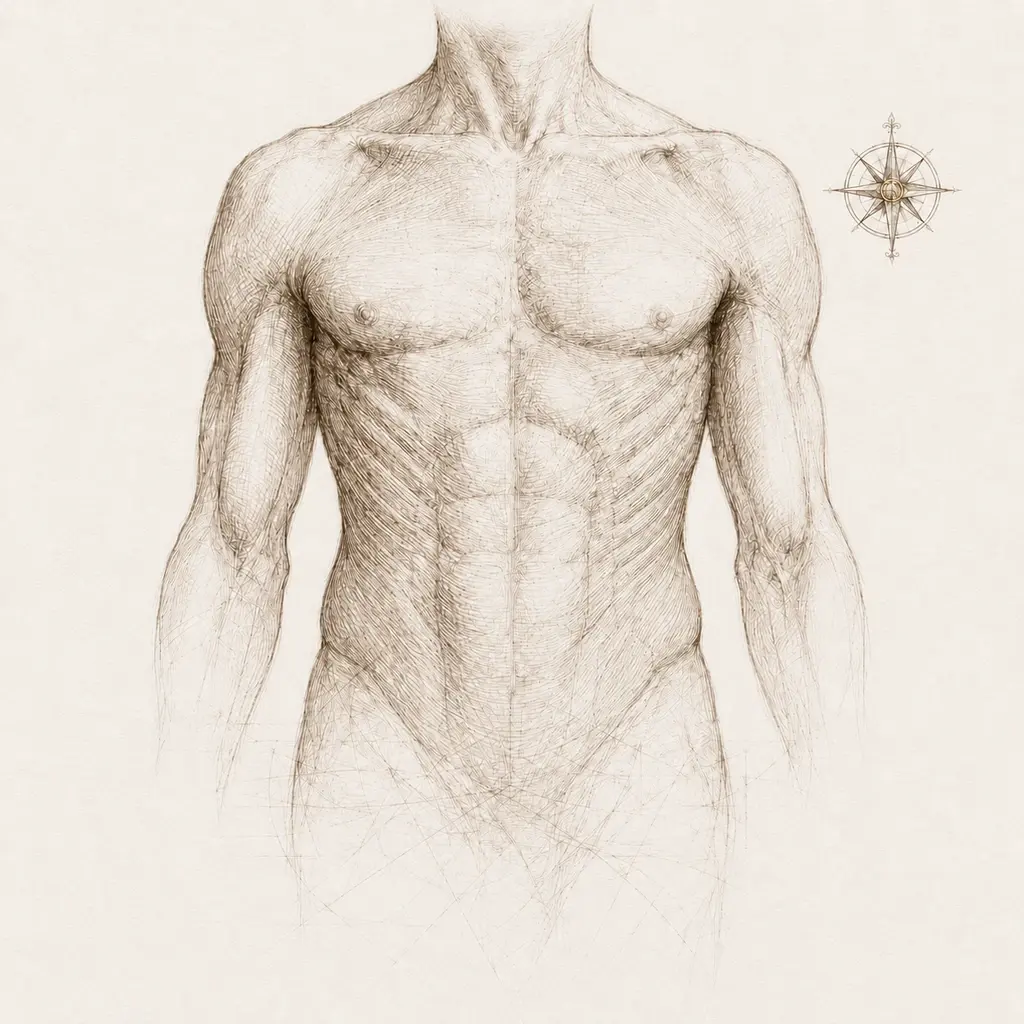
Here's one way to picture it: the abdominal wall is a strong wall, and inside it live organs like the intestines and the omentum. Over time, this wall can develop weaker "small breaches" through aging, injury, or long-term straining. When you exert yourself — coughing, lifting something heavy — the organs behind the wall can be pushed out through these breaches, forming a bulge under the skin. That bulge is what we commonly call a hernia.
So a hernia isn't something "bad" growing in the body — it's an organ that has ended up in the wrong place. That's also why the bulge often "pops out and then goes back in" — appearing when you stand or strain, and receding when you lie down to rest.
How does a hernia develop? Who is more prone to one?
Many people assume hernias are the "preserve" of children or the elderly, or only happen to people doing heavy manual work. In fact, patients of every age and lifestyle — from babies a few months old to people in their nineties — come in with hernias.
The causes fall into two categories:
1. Congenital structural factors
Some people are born with a thinner abdominal wall, or during development certain passages that should close (such as the inguinal canal or the umbilical ring) don't fully close, leaving a structural weak point. Such weak points may show up in infancy, or only become apparent in adulthood.
2. Acquired, cumulative strain
This is the most common cause of adult hernias — anything that puts long-term pressure on the abdomen can gradually push the abdominal wall apart:
- Chronic coughing (for example, heavy smokers or long-term allergies)
- Long-term constipation requiring excessive straining
- Prolonged straining to urinate due to an enlarged prostate
- Excess body weight, keeping abdominal pressure persistently high
- Stretching of the abdominal wall during pregnancy
- Work or weight training that frequently involves heavy lifting
- Reduced abdominal-wall support due to sarcopenia (muscle loss)
A hernia usually emerges through a combination of factors — a congenital weak point plus acquired accumulation. It's not the preserve of any one group, but a signal from the body that's worth paying attention to.
Where do hernias appear? The five common types
The groin is the most common location — roughly 70–80% of hernias occur there. But the abdominal wall is like a map, with several possible "exits":
- Inguinal hernia: the most common, in the groin
- Femoral hernia: a little lower than the groin, near the top of the thigh. More common in women; the opening is usually smaller and relatively more prone to getting stuck
- Umbilical hernia: protruding at the navel, possible in both infants and adults
- Incisional hernia: the scar tissue from previous abdominal surgery is weaker and can also form a hernia
- Epigastric hernia: along the midline of the abdomen, between the lower chest and the navel
Wherever it appears, the basic principle is the same. If you notice an unusual bulge in these areas, it helps to note when it appears (standing vs. lying down, straining vs. relaxed), whether it's painful, and whether it can be pushed back — all useful information for the physician at your visit.
What happens if it's left untreated? When should you be alert?
"Will it heal on its own if I leave it?" is one of the most common questions in the clinic.
An adult's hernia defect in the abdominal wall usually cannot heal on its own — like a hole in clothing, if left alone it mostly grows slowly over time. Most of the time it simply pops out now and then and recedes when you lie down; but one situation requires immediate care, called incarceration — in plain terms, "the intestine has gotten stuck."
Warning signs of incarceration (go to the emergency room immediately)
- The bulge won't push back in even when lying down
- The area becomes very painful, red, and swollen
- Accompanied by nausea, vomiting, fever, or abdominal distension and pain
- The bulge turns dark or purple in color
Incarceration means the intestine may be trapped and its blood supply cut off. If it isn't dealt with within a few hours, the trapped segment of intestine can become ischemic and die, and in a minority of cases rupture and cause peritonitis. At that point the complexity and risk of surgery rise markedly, so if you notice these warning signs, go straight to the emergency room — don't wait for clinic hours.
Routine management isn't this urgent — in most cases you can calmly arrange a clinic evaluation and discuss the suitable approach and timing.
I've found both a hernia and a varicocele — are they related?
In the clinic, some men (especially on the left side) are indeed troubled by both problems at once.
A varicocele is a dilation and deformation of the veins in the scrotum due to impaired blood return. Although the two are different problems, they occasionally appear together. Whether to address both in the same operation or in stages is assessed by the physician based on the hernia's size, the severity of the varicocele, and your overall health.
The difference between childhood and adult hernias
Childhood hernias are overwhelmingly congenital (an incompletely closed inguinal canal). Children's tissue is less elastic than adults', and the risk of incarceration is higher, so once diagnosed it's usually advised to discuss the timing of surgery with a pediatric surgeon.
Adult hernias are mostly acquired, related to tissue aging and long-term abdominal pressure. Whether surgery is needed, and which technique to choose, is assessed case by case.
Not sure which specialty to see?
If you notice a suspected hernia bulge in the groin, navel, or elsewhere on the abdomen, both general surgery and urology are suitable choices; for children, please go directly to pediatric surgery.
What you can prepare before your clinic visit
Coming in with clear observations helps the physician assess you faster:
- When does the bulge appear? In what position does it recede?
- Is there any pain, dragging sensation, or digestive discomfort?
- Your type of work, exercise habits, and prior surgical history
- Chronic conditions and current medications (especially anticoagulants / antiplatelet drugs)
Overview of management approaches
Common ways to treat a hernia include mesh repair (the mainstream option for over two decades, with mature clinical evidence) and natural-tissue reconstruction (without synthetic mesh, rebuilding the abdominal wall's original structure). Each has its own indications and its own pros and cons — there's no single "best" method, and the suitable choice is assessed by the physician based on your abdominal-wall condition, age, hernia size and location, and prior surgical history.
To learn about the principle, steps, anesthesia and recovery, and suitable situations for the non-mesh (natural-tissue reconstruction) approach, see: Hernia surgery — natural-tissue hernia repair